Heat, cooling, exhaust
Radiators, exchangers, silencers, and aftertreatment as one package — not a catalog of parts.
Est. 1991 · Greater Philadelphia
Custom heat transfer, exhaust emission control, cogeneration, and cooling for the world’s premier stationary generators — data centers, hospitals, and mission-critical plants across the U.S.
Radiators, exchangers, silencers, and aftertreatment as one package — not a catalog of parts.
SCR, oxidation catalyst, NSCR, and DPF systems sized to the engine and the air permit.
Submittals, 3D design, commissioning, and SCR service from the same office that sold the job.
Boulden Industrial Cooling
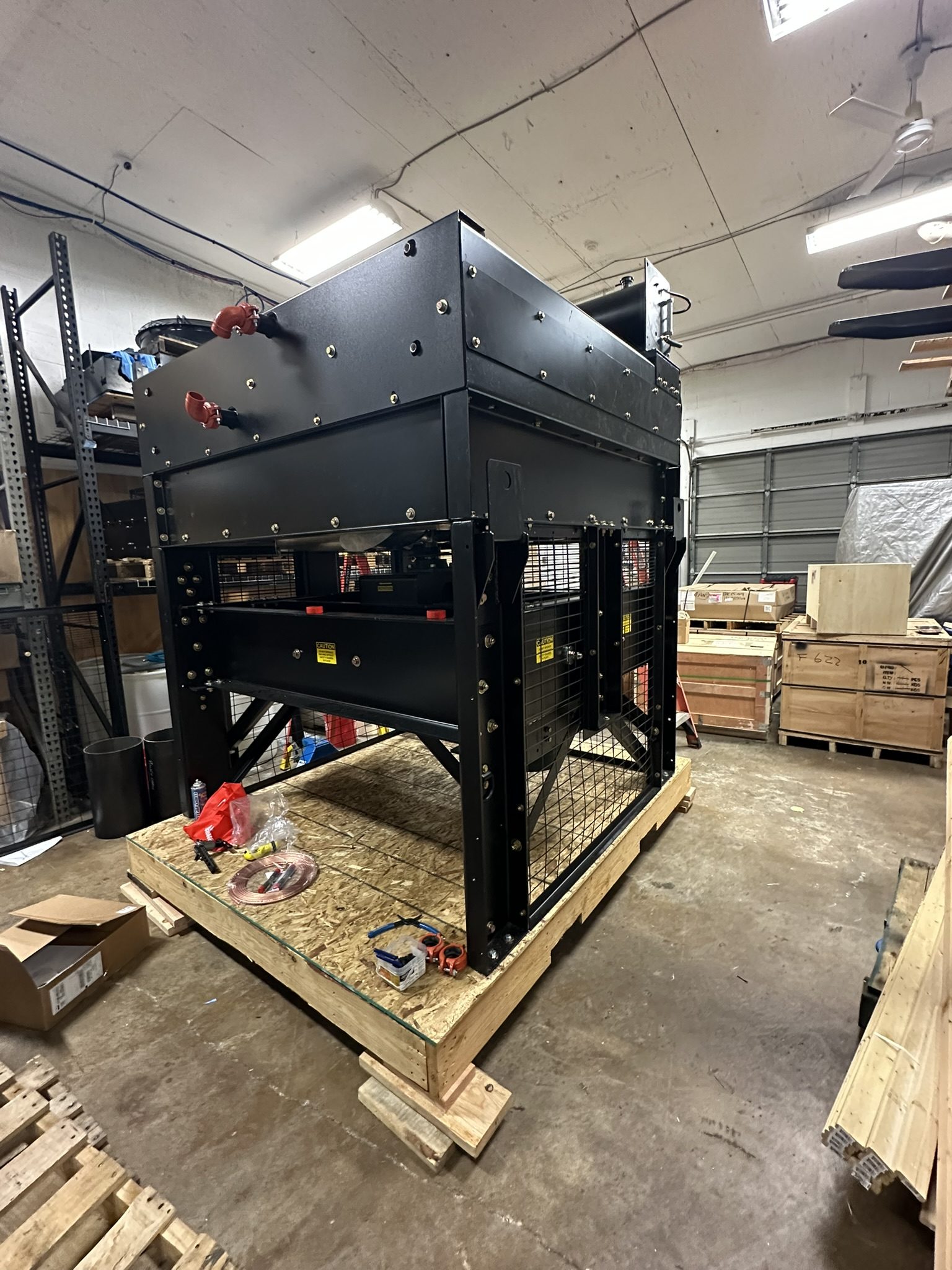
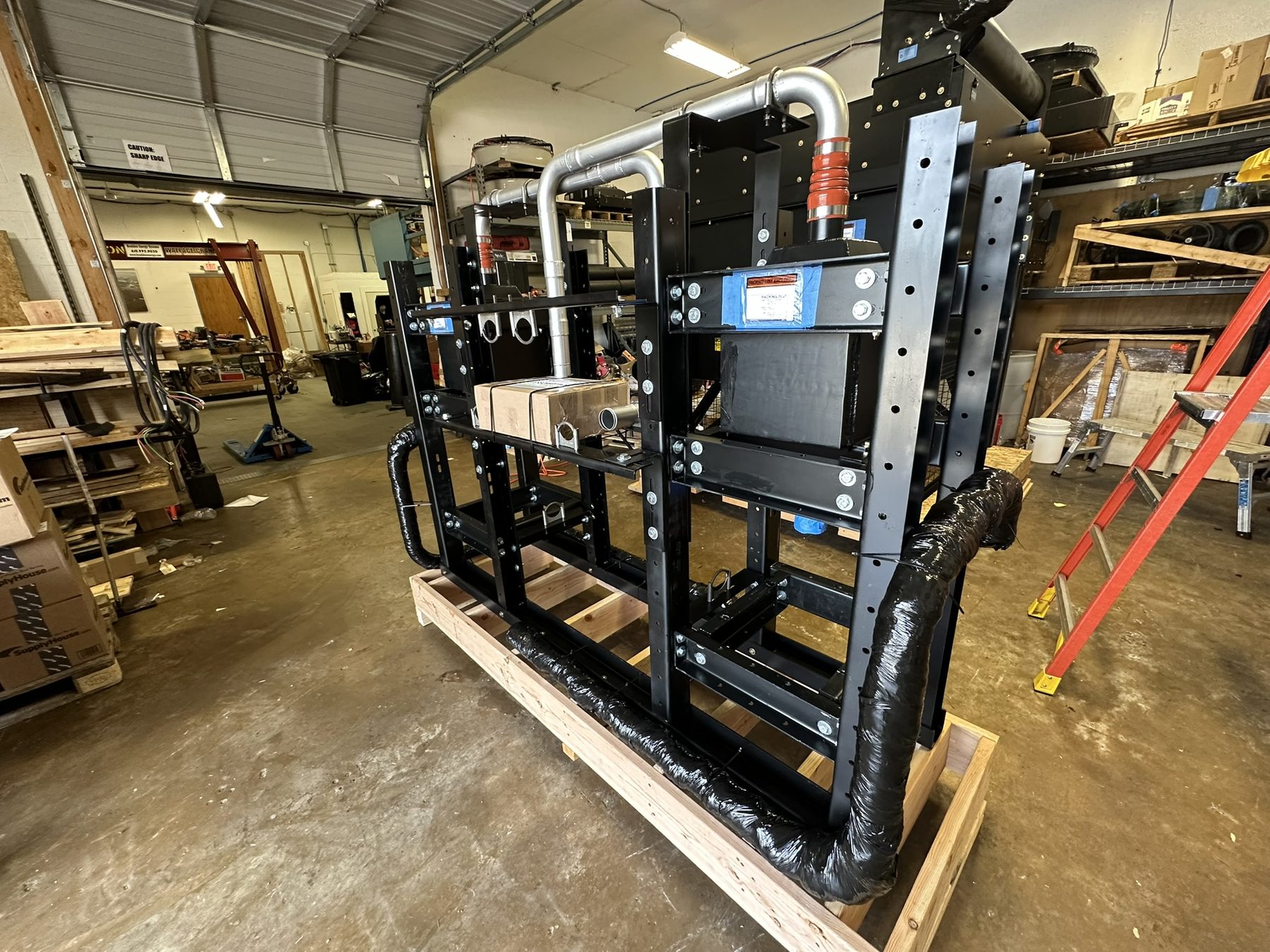
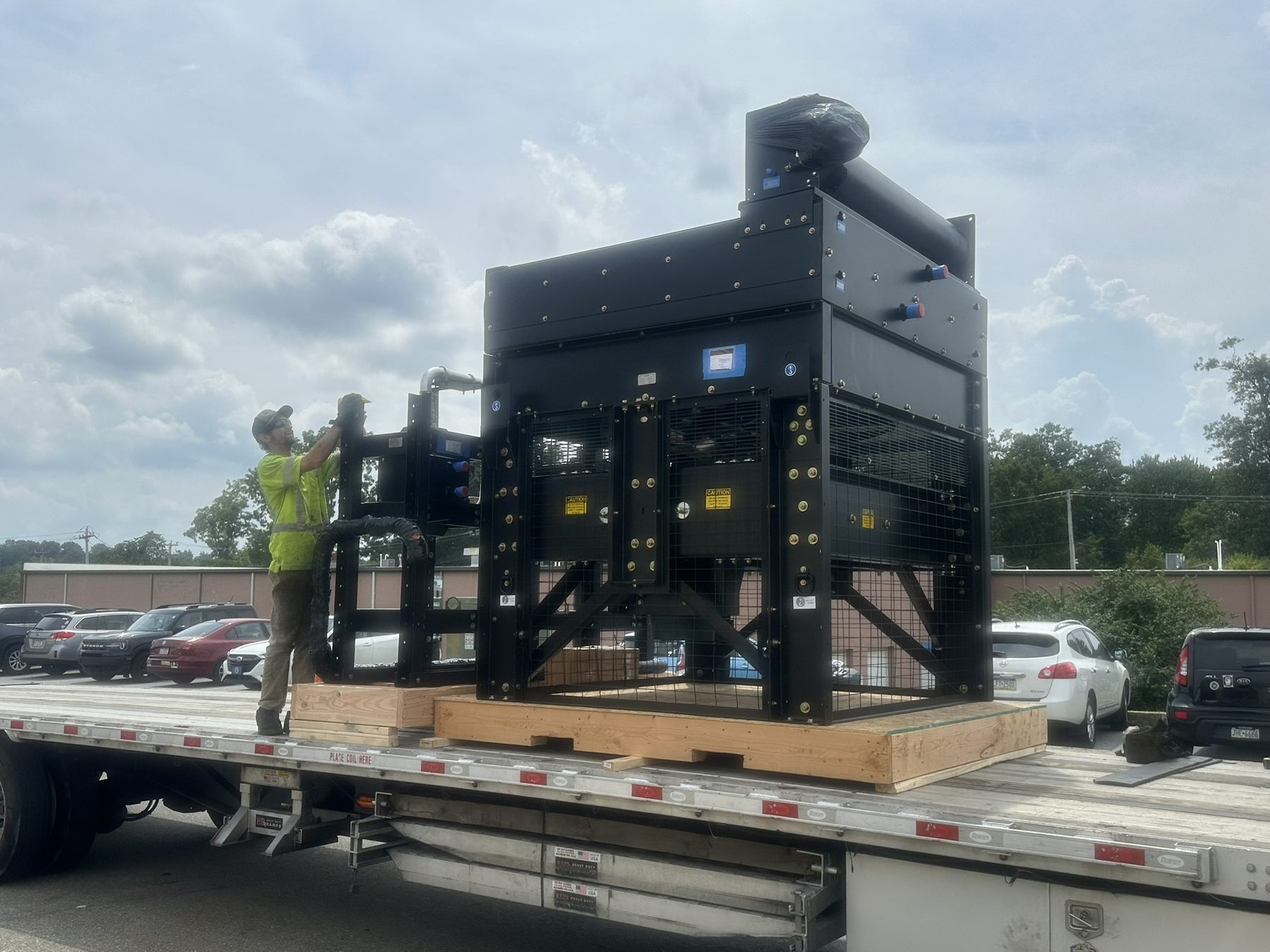
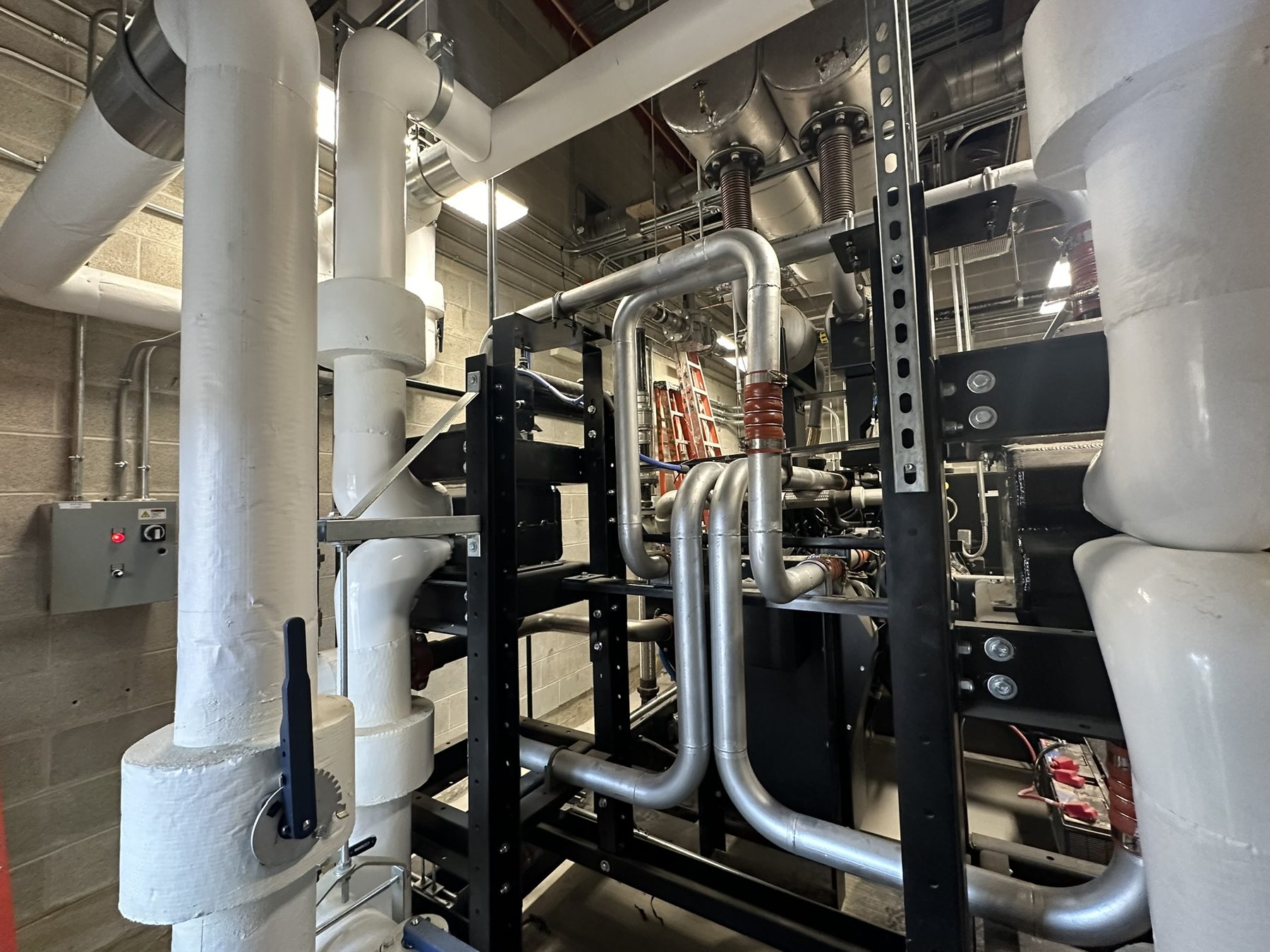
Shop-built remote coolers, heat exchangers, and closed-loop packages — framed, piped, and shipped as one unit for stationary generator sites.
Pump skids
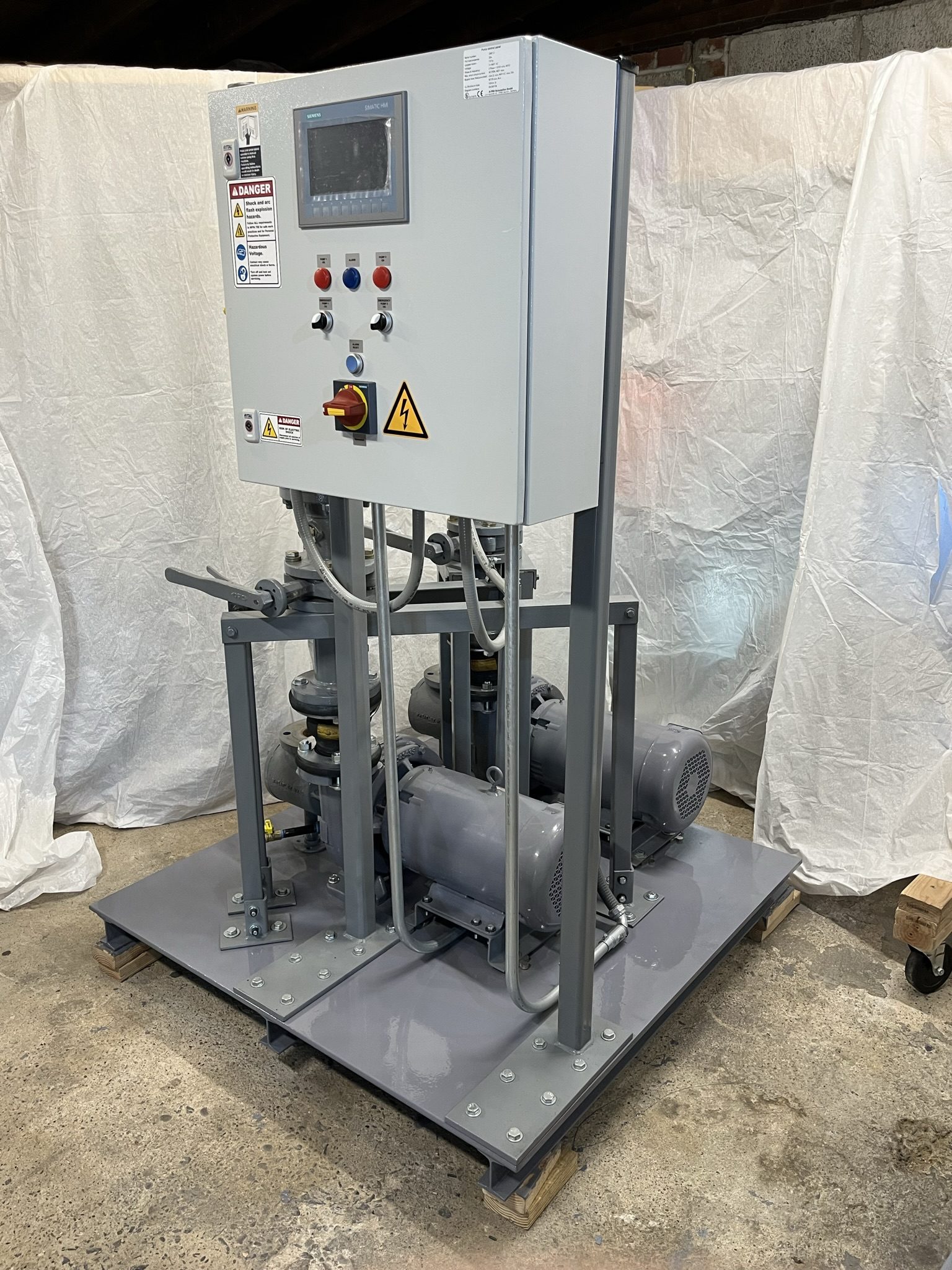
Shop-built pump skids for closed-loop cooling — dual motors, strainers, gauges, and an HMI panel on a common steel base.
Pump skid gallery →Product lines
Remote and engine-mounted radiators, charge-air coolers, plate-and-frame and shell-and-tube exchangers, fuel-oil coolers, and closed-loop packages sized to site load.
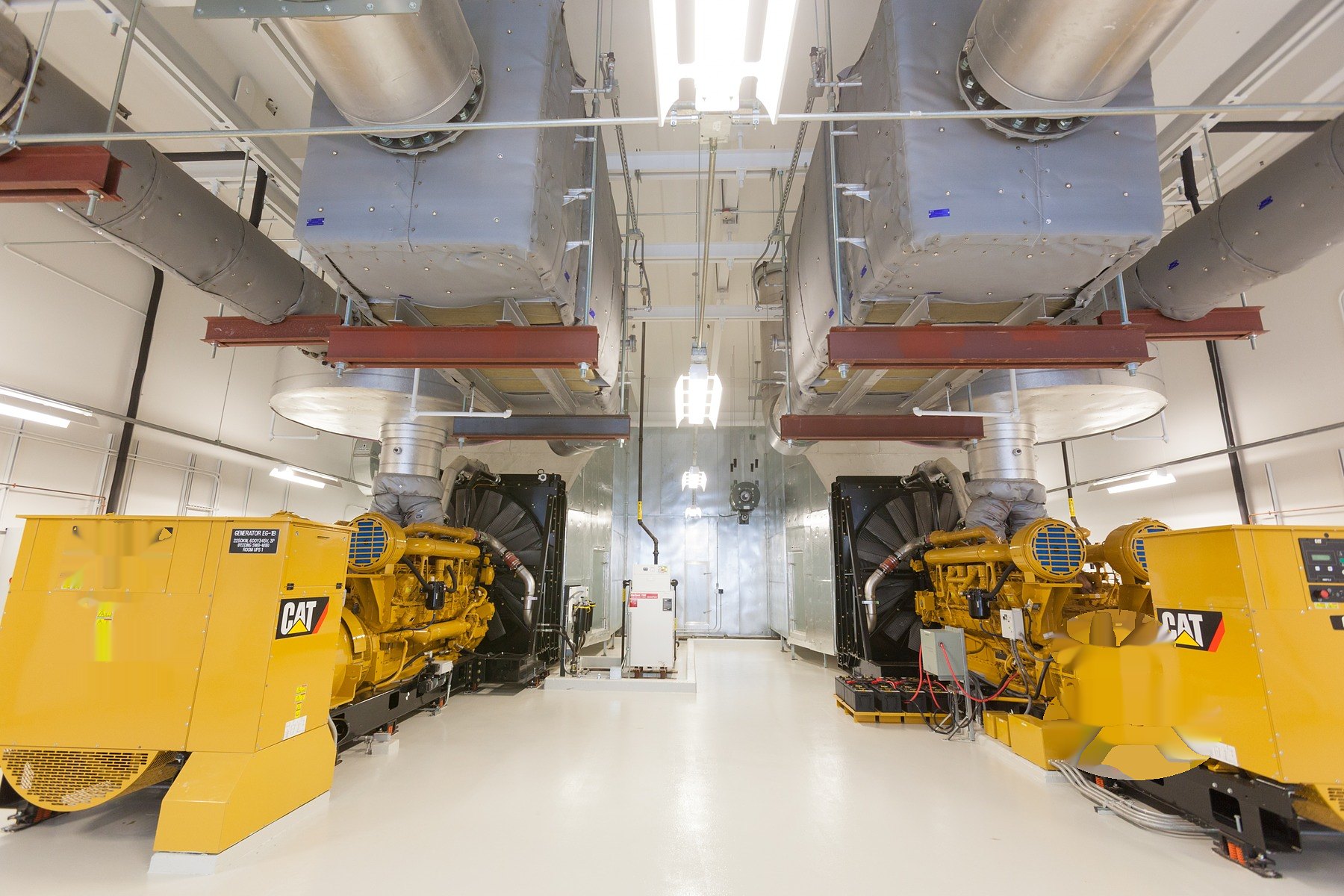
Complete exhaust aftertreatment for diesel and natural-gas engines — SCR, oxidation catalyst, NSCR, DPF, and urea/DEF distribution — engineered to permit and performance.
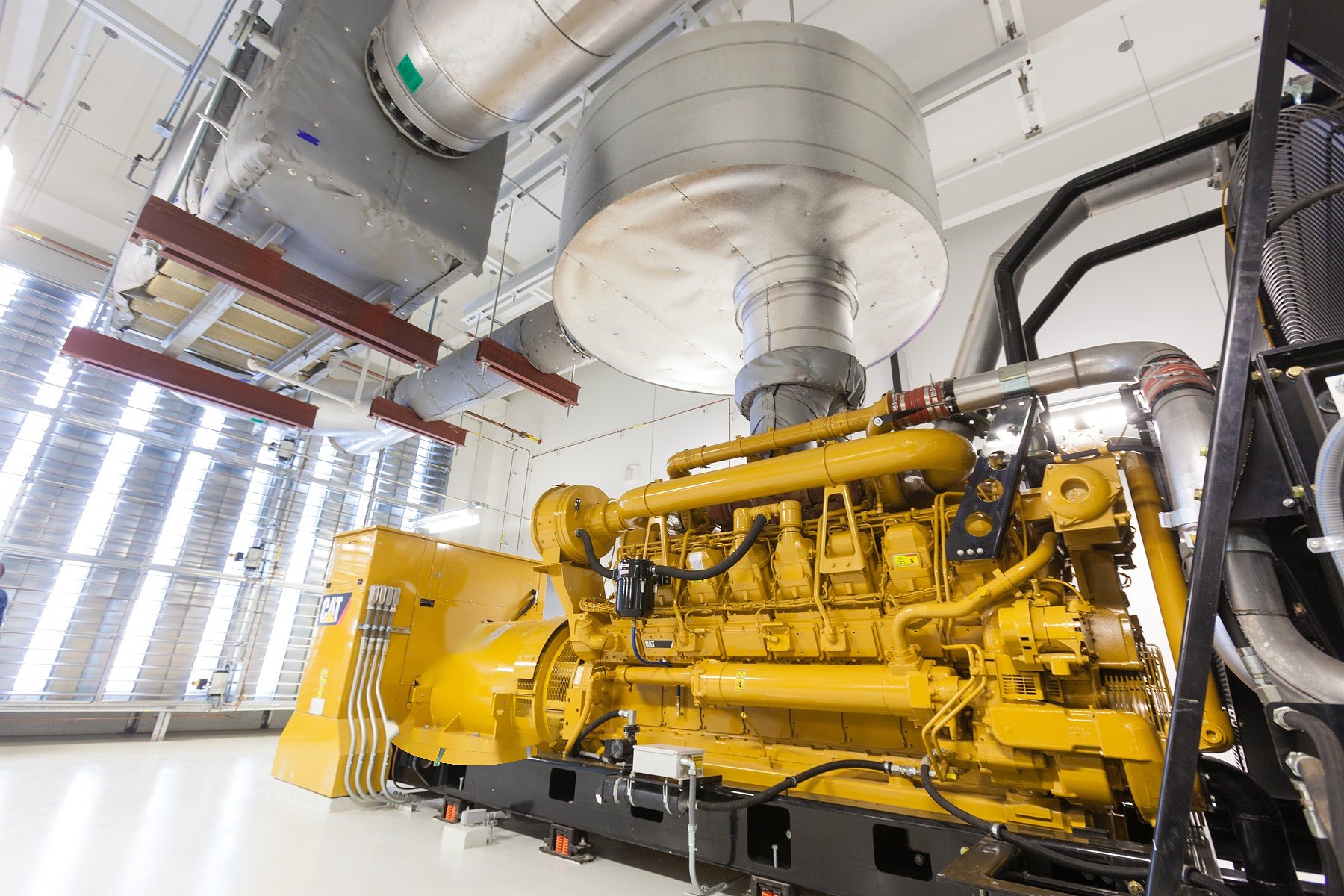
Residential, critical, and hospital-grade silencers, low-profile enclosure units, stainless construction, thimbles, flex, and expansion joints fabricated to spec.
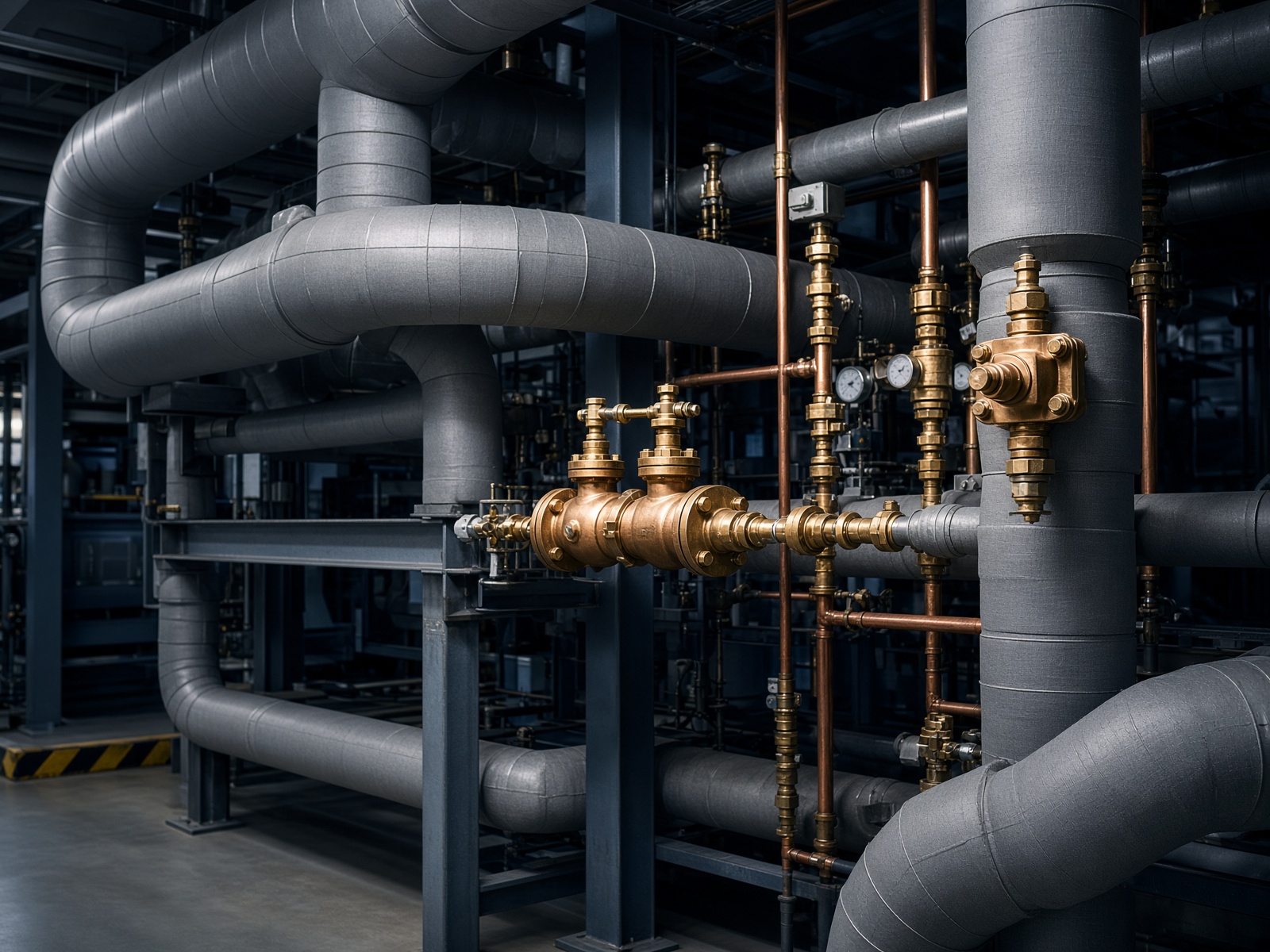
Hot-water and steam cogen, process heat recovery, load balancing, feedwater economizers, and ASME-code vessels — designed around the thermal loop, not just the engine.
How we work
Boulden Energy Systems is a manufacturer and manufacturer’s representative. We size balance of plant to site constraints — noise, envelope, heat rejection, and emissions — then coordinate the order through commissioning.
Mission-critical sites
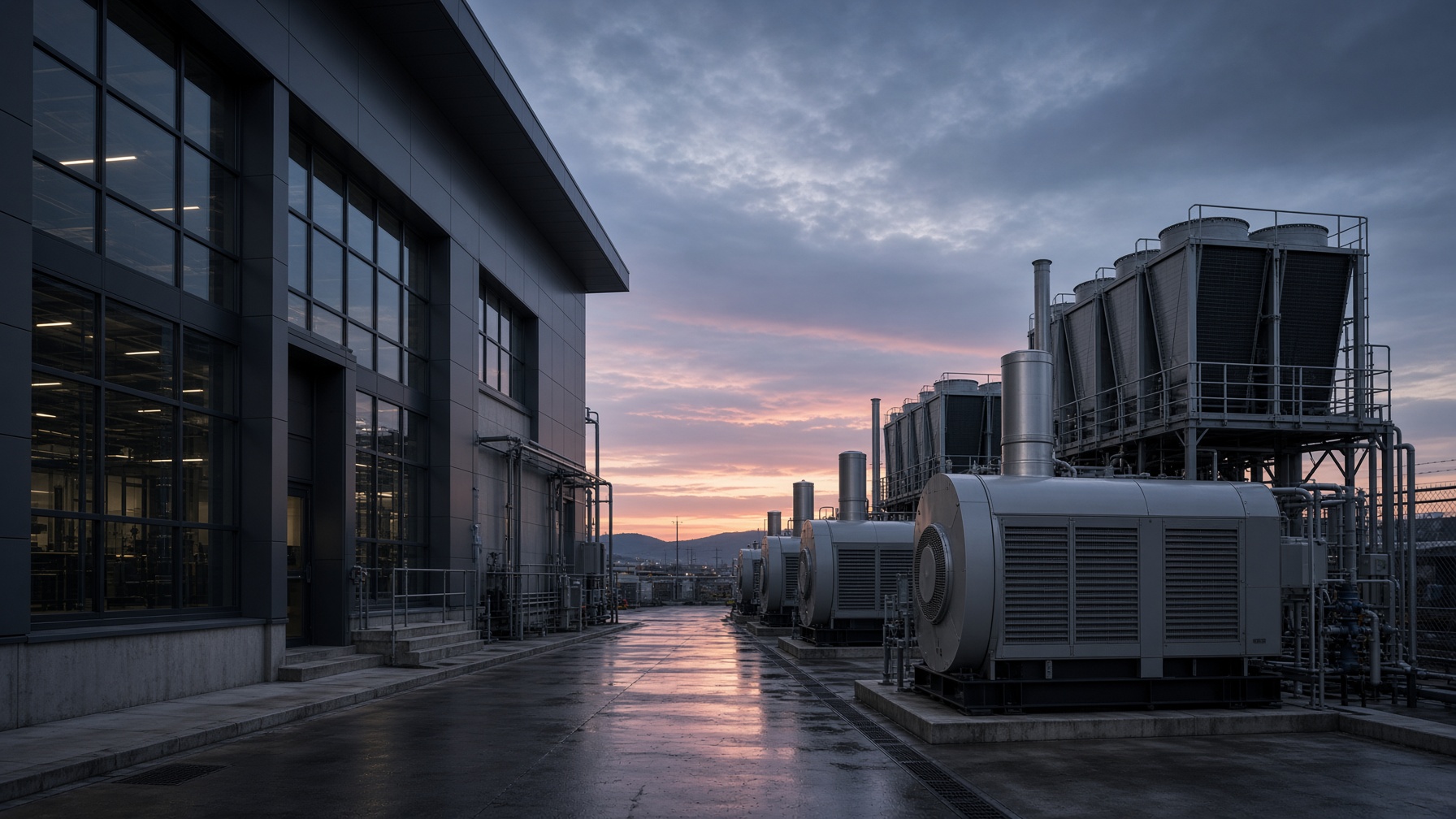 Data centers
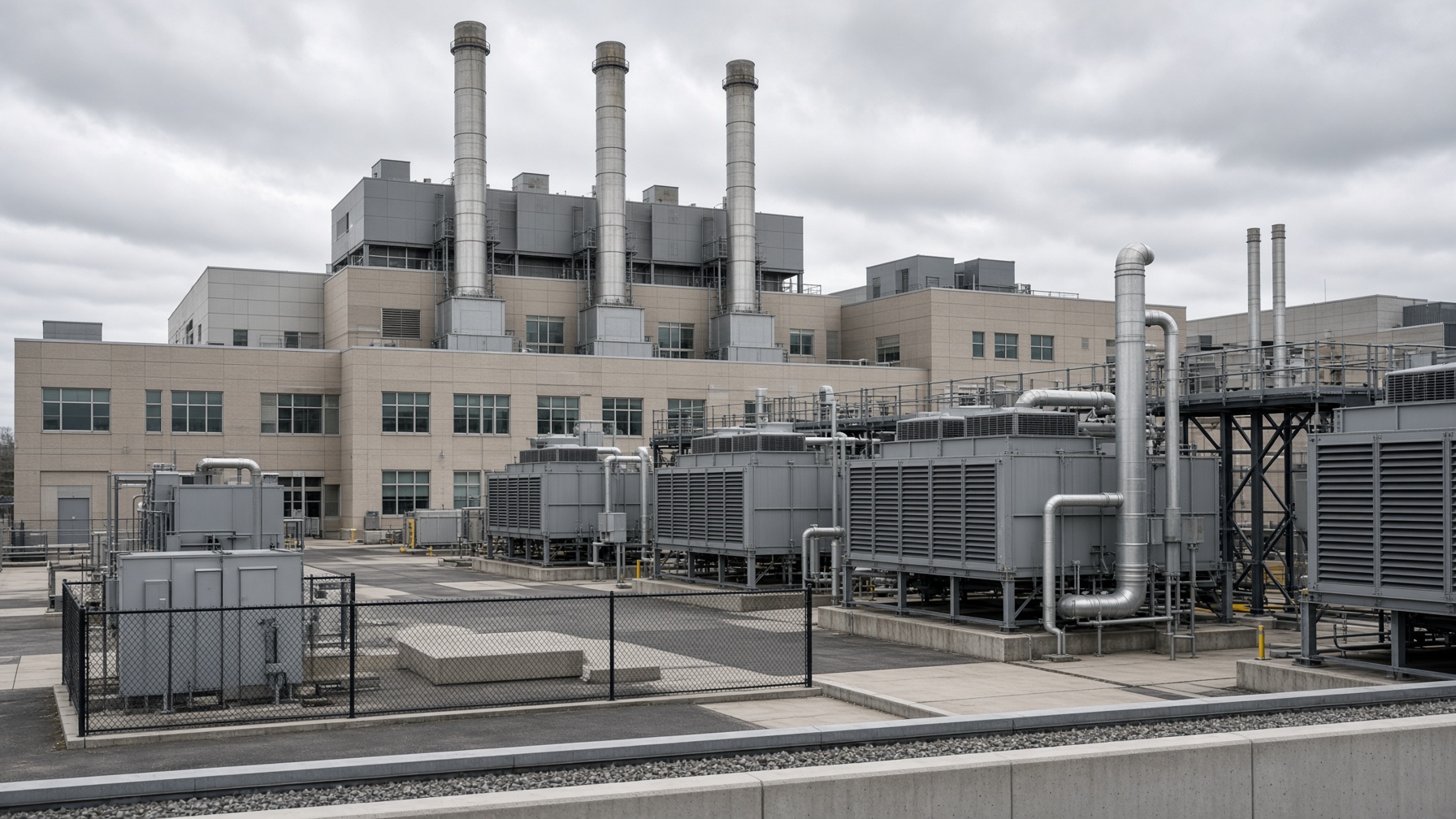 Hospitals
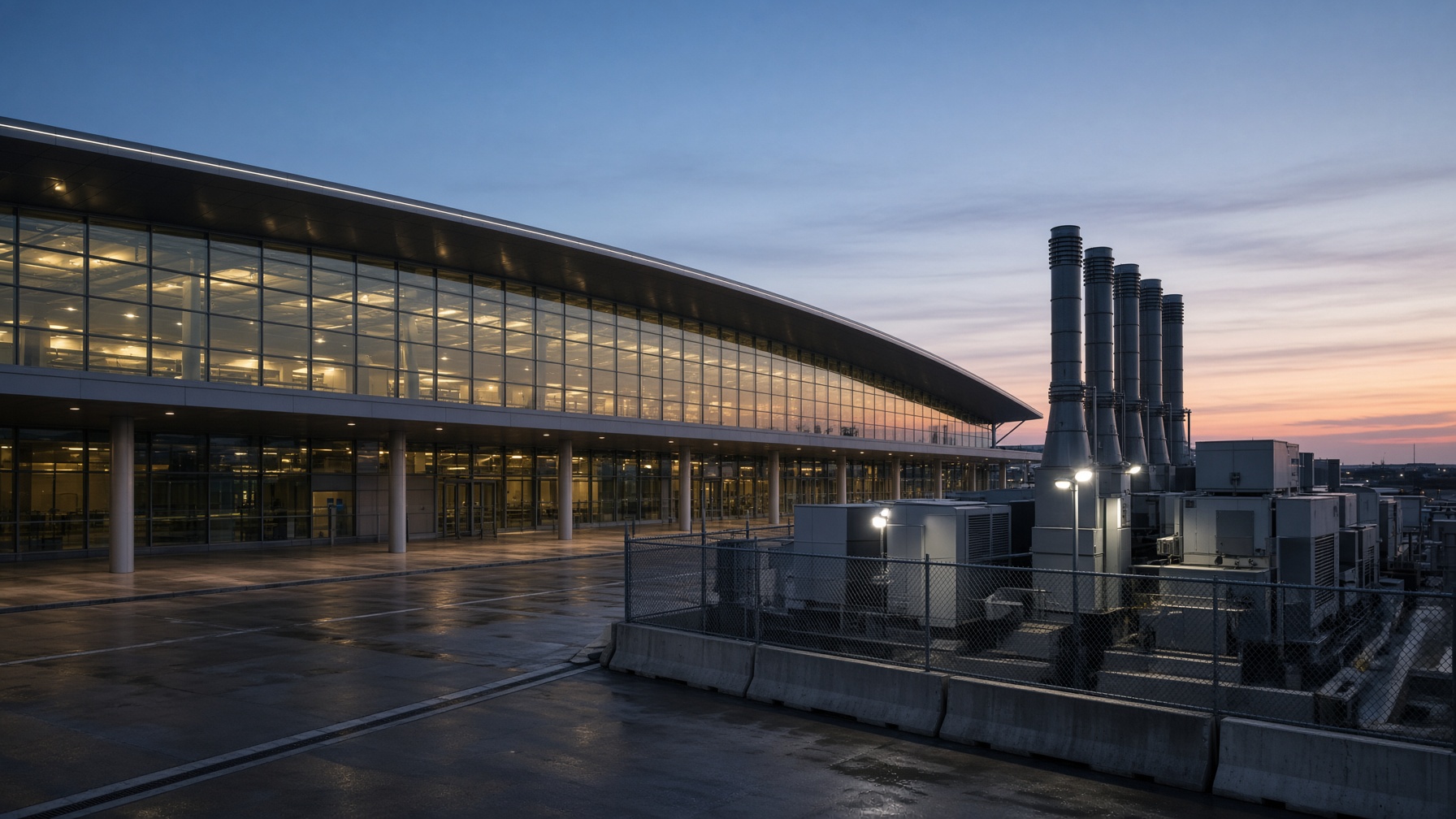 Airports & arenas
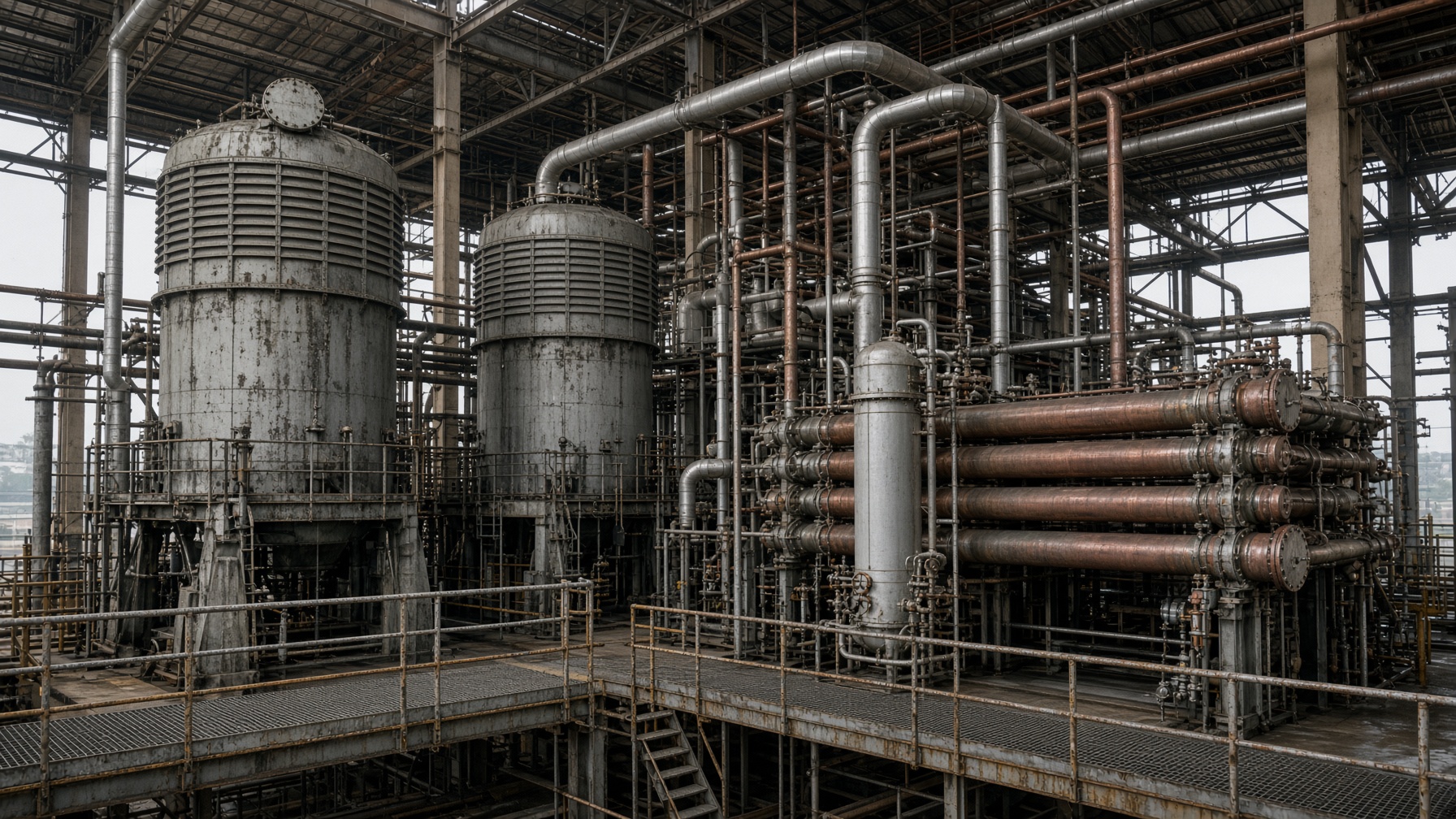 Manufacturing
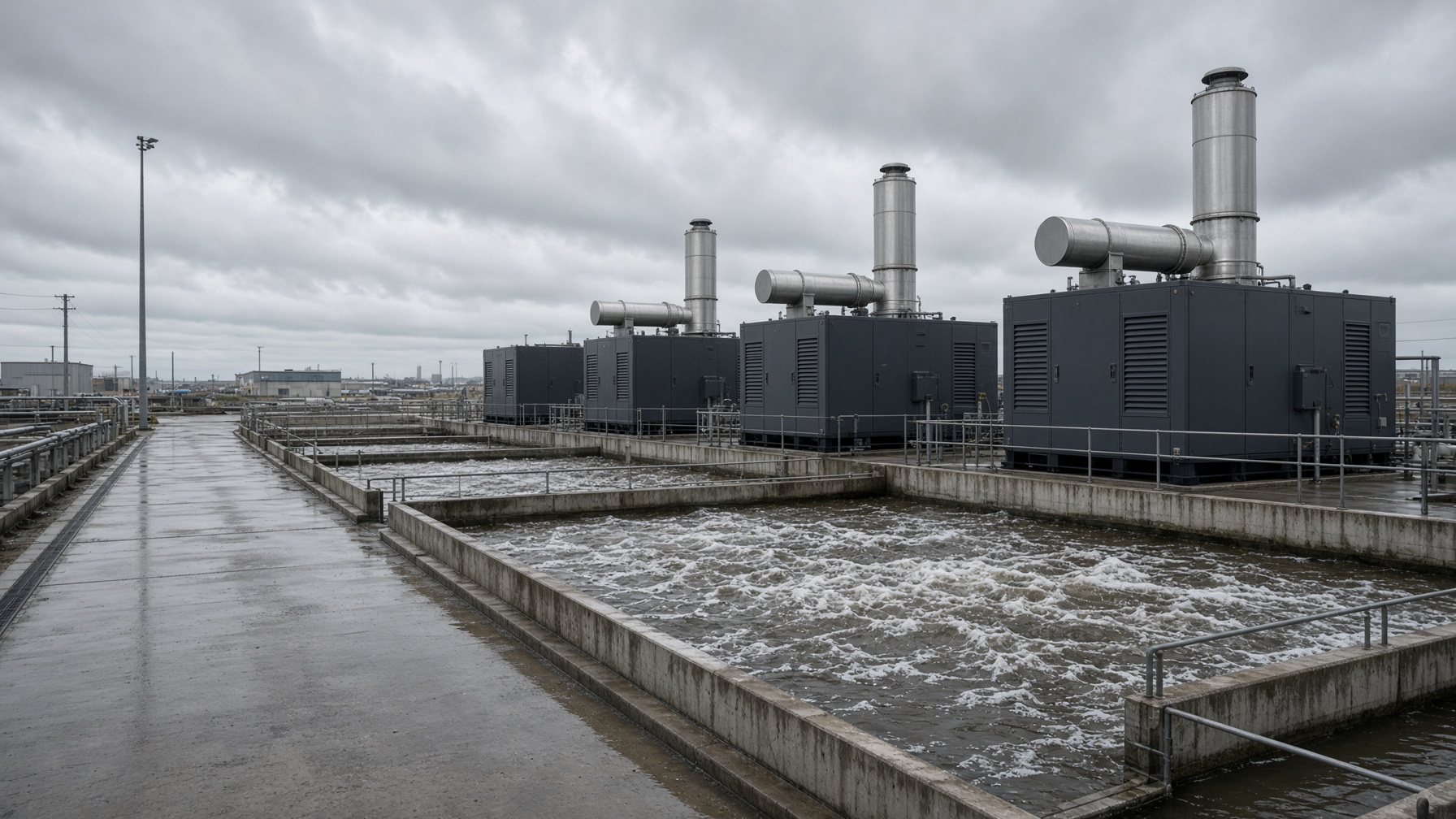 Municipal & wastewater
 Universities & embassies
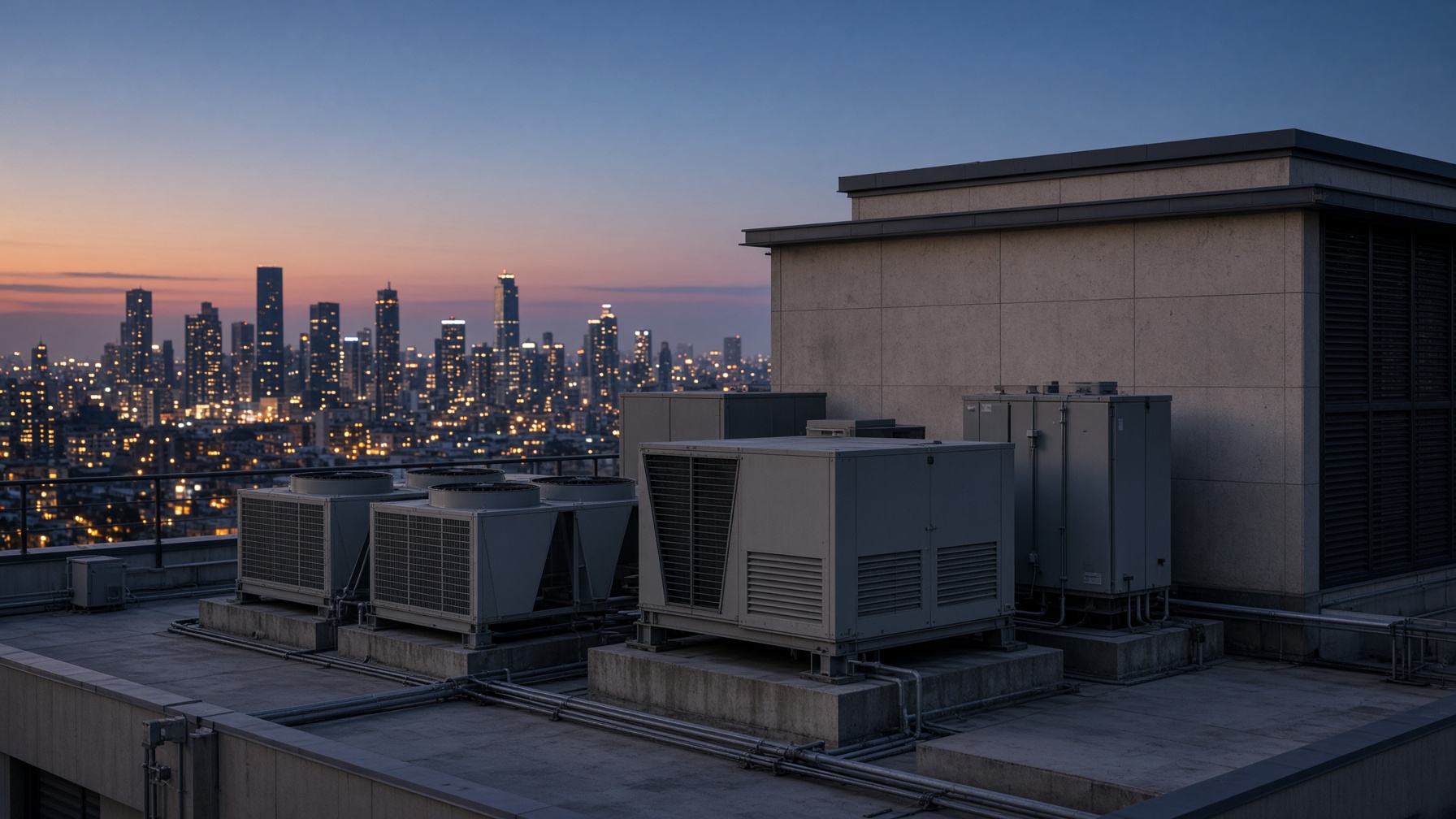 Hotels & offices
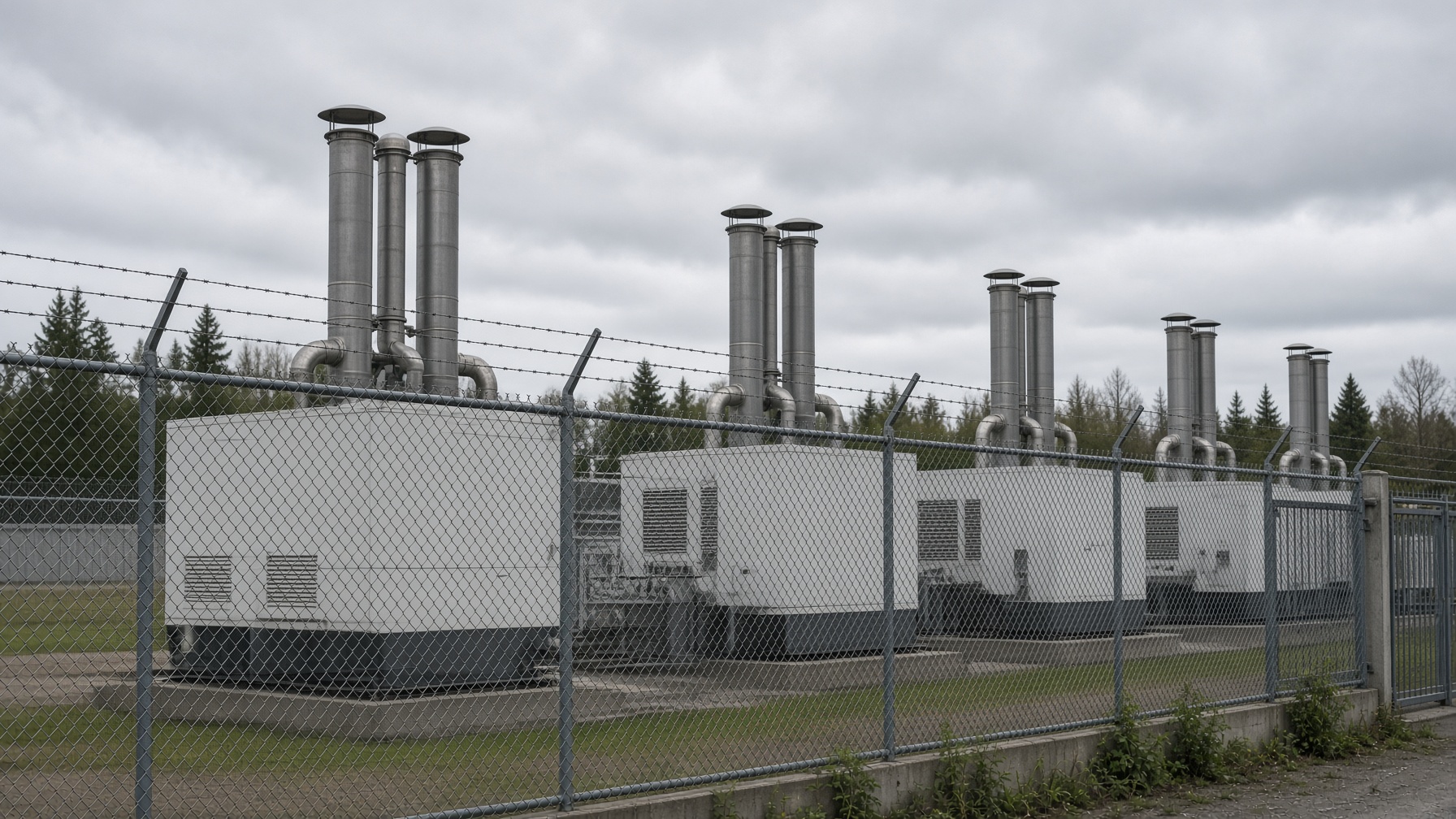 Correctional facilities
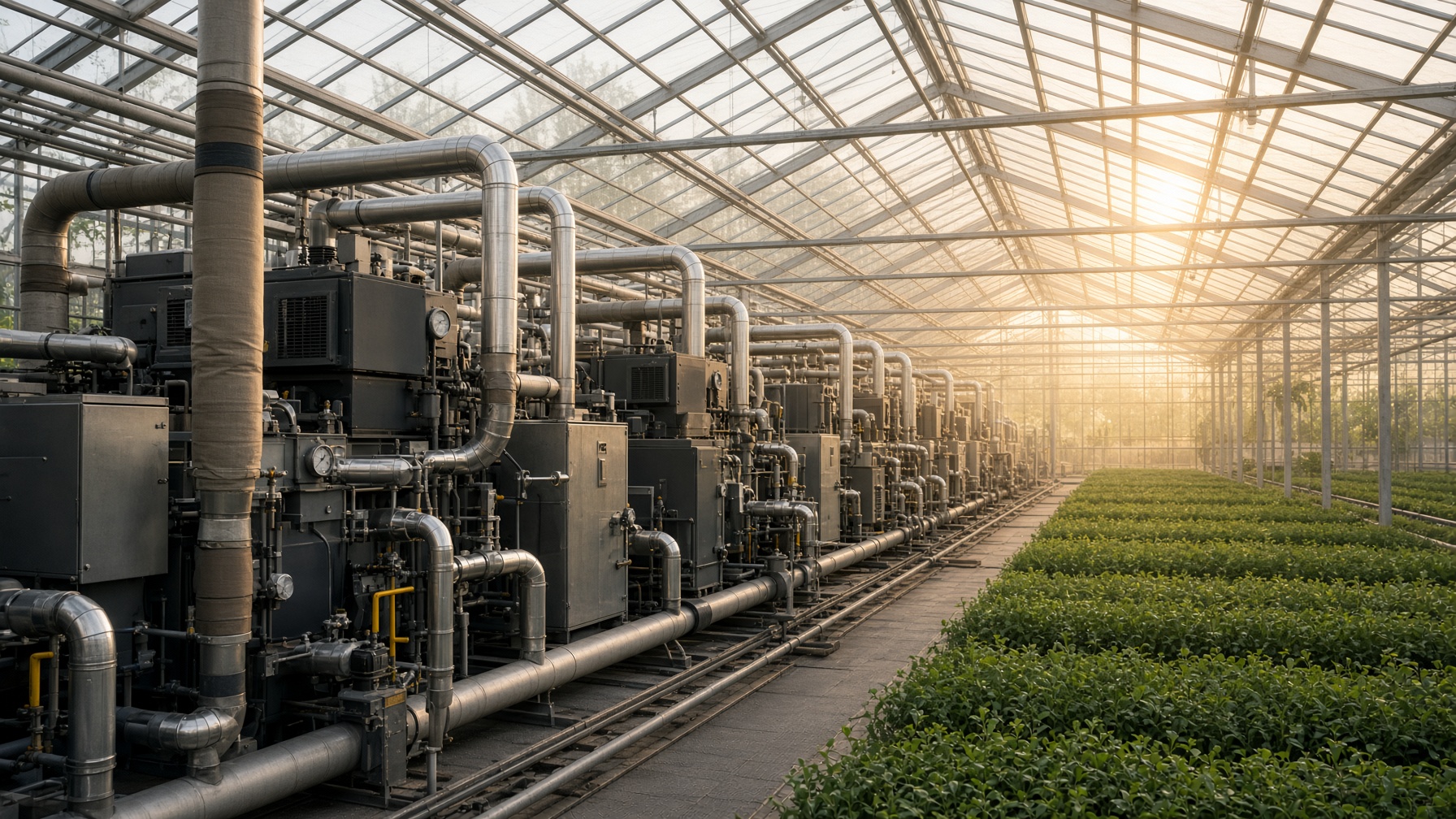 Commercial greenhouses
Send the engine make, kW, fuel, and site constraints. We’ll come back with a coordinated balance-of-plant proposal.